Thursday, 28 July 2011

Corroboree Billabong Tuesday 19/7/11

We enjoyed a fantastic 3 hour lunch time cruise of Corroboree Billabong which is part of the Mary River. Apparently this area has the largest concentration of saltwater crocodiles in the world and we weren't disappointed. We got use our new found  knowledge of crocs (from yesterday).

  
We also saw & learnt about many species of bird including Ibis, Jabiru, Jacana, Egrets, Herons, Kites, Magpie Geese and the White Bellied Sea Eagle. We saw the enormous nests of the Jabir and Eagle.
Our informative guide gave us insight into traditional indigenous uses of the local flora and fauna. We even saw a water buffalo having a midday snooze under a tree. After the cruise we headed back to the road and ended up at the Corroboree Tavern and Caravan Park where we set up camp. 

Darwin Monday 18th July

While the car is being serviced, we head for Crocosaurus Cove which claims to be "the ultimate urban wildlife experience & home to the Cage of Death". Crocs, fish, snakes, lizards, and turtles everywhere you looked. The kids once again jumped at the chance to handle snakes and lizards when the opportunity arose. We watched the fish being fed and liked the archerfish spitting for their food. The croc handlers fed the big crocs and then the kids and Nick went 'fishing' for some of the juvenile crocs while Marie took our photos.


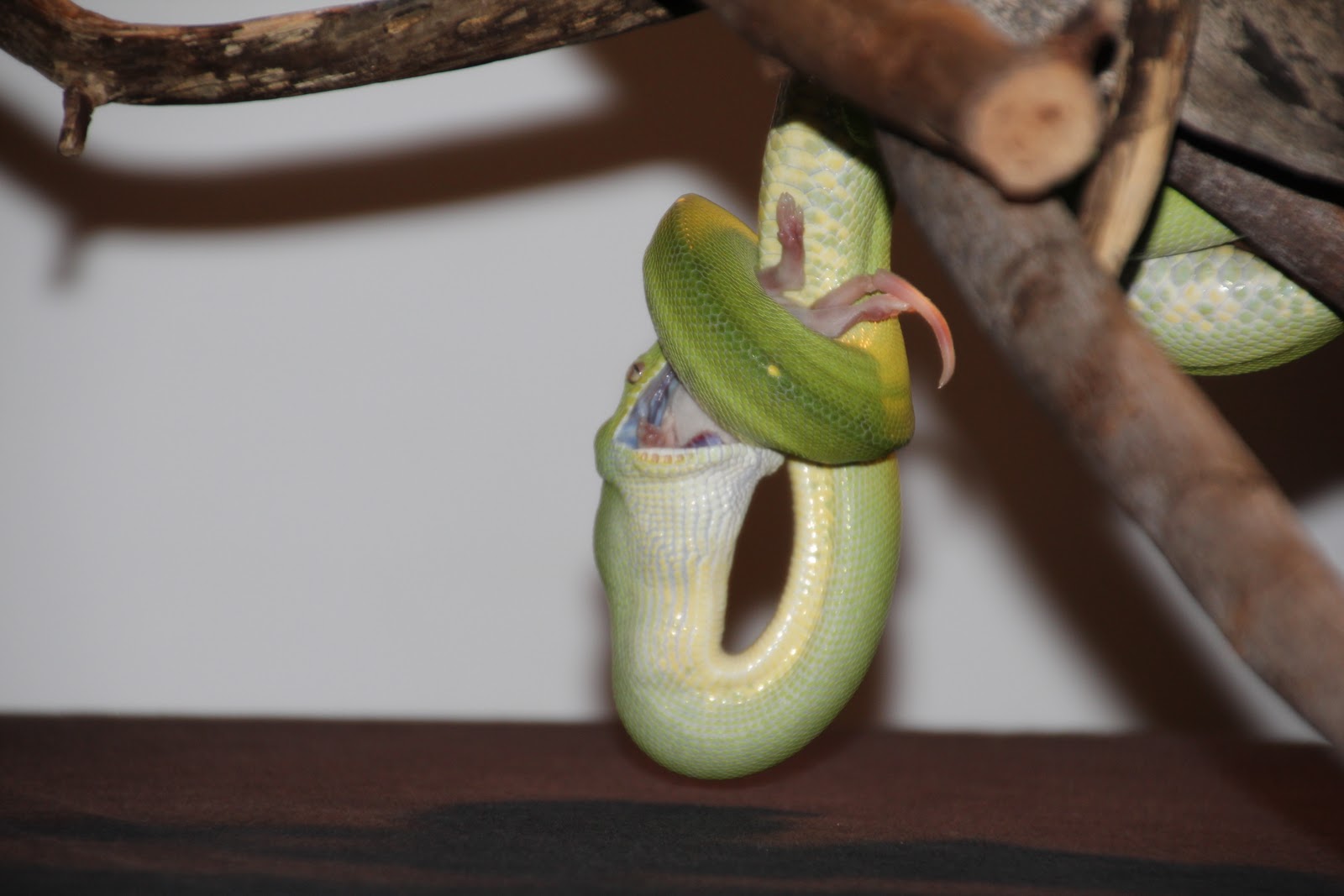
We saw one of the pythons feast on a mouse and got to hold a baby croc. There was lots of information and it was a great educational experience for us all.


While we were having lunch we were able to check our emails and were lucky to receive one from a friend who had spent some time in Darwin and had some suggestions regarding trips to do while we were here. As a result we finished lunch and were able to book a cruise at Corroboree Billabong for the next day. 

Monday, 25 July 2011

Darwin Sunday 17th July

Visited Darwin Memorial Church and learned of it's history. We visited the WWII Oil Storage Tunnels which were constructed to protect the Navy's oil supplies from bombardment during WWII. The 5 steel lined tunnels extend from the wharf & run under the city but they were never used for their intended purpose which was a strategic fuel depot.   Due to lack of maintenance when the US forces left in 1945, they remained unused.


We explored Darwin's Waterfront Precinct, saw a movie to cool off before a visit to Mindil Beach Sunset markets.

If only money was no object Nick would have started with freshly shucked oysters topped with smoked salmon followed by ... We did however sample deep fried Mars bar  & ice-cream. Mmm..

Darwin Saturday 16th July

The Australian Aviation Heritage Centre is on the itinerary today. This centre houses an impressive presentation of aircraft and displays depicting the Territory 's involvement in aviation, both civil & military.
Aircraft displays include the massive Boeing B-52 Bomber, only 1 of 2 on display in the world outside of the USA. Also displayed was the Mirage and Sabre jet fighters as well as a replica Mk VIII Spitfire. The wreckage of a Japanese Zero Fighter which was shot down on the first air raid on Darwin on 19/02/42 was also exhibited.


Claire was impressed by the first women entering Aviation history such as Amy Johnson and Amelia Erheart. We all enjoyed the commentary provided by those who were there. Although not on display, we enjoyed the history of the Catalinas as Nick's Grandfather was a mechanic during WWII on these.
Cooled off @ the Leanyer WaterPark on the watersides provided free.

Wednesday, 20 July 2011

The Lost City

Today we headed off to Wangi Falls which were still closed for swimming due to the late wet season. Although we couldn't swim we still had a magnificent view of the twin falls cascading down the rugged rocky cliff face. We had a short ( compared to our previous efforts) stroll through the semi rainforest that surround Wangi Falls before heading for the Lost City.


These magnificent rocky structures resemble buildings and are found 10 km down a 4wd track that was quite rough in places. As we wandered around the imposing structures Angus and Claire enjoyed scaling these outcrops. Angus even managed to find himself a fair way off the ground and struggling to find his way back down. Dad had to come to his rescue but no sooner was he on the ground he was back up the next rock. We then headed for our swimming hole from yesterday only to find it so busy that we couldn't find a park. After trying another swimming spot and finding the same situation we admitted defeat and continued on our journey. 
Arriving in Darwin we started looking for a place to stay. After being disappointed with the first place we looked at, we headed for Lee Point village. We had met a Darwin local at Alice Springs who had recommend Lee Point and we were glad of this chance meeting. Lee Point do not advertise or take bookings and we were very happy to stay here for our time in Darwin. 

Tuesday, 19 July 2011

Darwin bound via Litchfield National Park

 From Hayes Creek we continued our journey north to the big D. Next port of call was Adelaide River. As we entered the town Angus was happy to see a collection of ' machinery'. We decided to let him investigate and turned into the Adelaide River Historic Railway Precinct which houses a wide array of early railway memorabilia and history of Adelaide River during WWII. After the bombing of Darwin, the Adelaide River area was selected as the headquarters and staging area for the Allied forces response to the Japanese Imperial expansion into the South Pacific. After spending a considerable time going through the various displays we then headed for the Adelaide River War Cemetery which is a poignant reminder of the human cost of war. After a somber time reflecting on the sacrifice made by these servicemen and women, and civilians, we continued on our journey.
We travelled onto Litchfield National Park which is one of the few places you can see magnetic termite mounds. We had gotten use to seeing the soaring mounds of the cathedral termites throughout the Northern Territory. Termites need to be able to regulate their environment especially temperature and moisture. Cathedral termites are able to retreat underground to escape the heat of the day but because the magnetic termites build on the floodplains, the ground is too wet for them to go far enough underground. They build their distinctive shaped mounds to catch the early morning and late afternoon sun. In the middle of the day the smallest profile of the mound is in direct sunlight so reducing the impact of the sun and subsequent heat. They build their flat sided mounds on a north / south axis hence their name ' magnetic '.


We then travelled further into the park where we went for a wonderful swim at Florence Falls where Claire was dismayed to find numerous small fish that were more than happy to swim around your feet and have an occasional nibble. Angus saw this as a challenge and spent a considerable time underwater trying to catch them. After our swim we tried to find a camp inside the park but were unsuccessful. We ended up at the Litchfield Safari Camp where we spent the night. 


Monday, 18 July 2011

Katherine Gorge onwards

Yes we were up when our noisy neighbours came home. We packed up camp and set off to explore Katherine Gorge. Having come up from the south where it had been 20 - 24 deg during the day, we had a shock when we found ourselves walking in 38 deg before lunchtime. We re-evaluated the need to continue exploring further and further up the gorge and were happy with what we had seen.


We then headed to Edith Falls hoping to get a swim and a campsite. Unfortunately we only could achieve one of these goals when we were greeted with a 'full campsite' sign when we arrived. After a quick dip we were on the road again looking for somewhere to stay.

We ended up at Hayes Creek where we had the unexpected company of a private helicopter drop in and stay the night. Tea consisted of a wonderful chicken and noodle stir-fry done on the BBQ before bedding down for the night.